
When Should Agencies White Label Reporting and Client Dashboards?
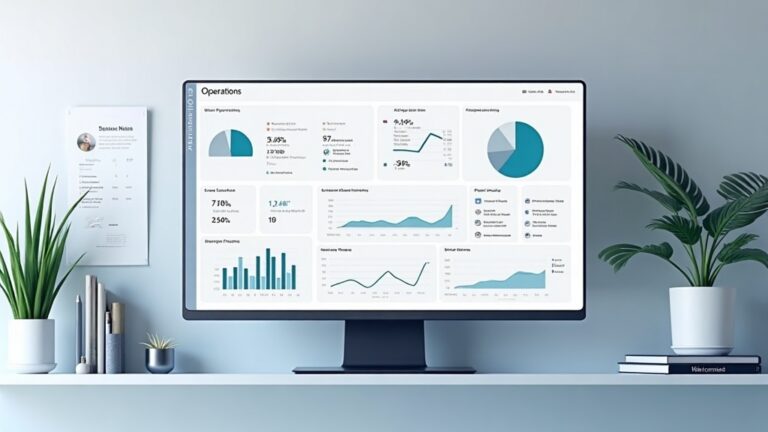
White label reporting helps when dashboard setup, KPI cleanup, and monthly narratives start pulling your team away from strategy and client leadership.

White label reporting helps when your agency has outgrown manual spreadsheet cleanup and inconsistent client narratives. The goal is not to outsource the client relationship. The goal is to remove repeatable reporting production from your highest-value people.
Here is the clean line: delegate dashboard setup, data formatting, recurring pulls, and first-pass report assembly. Keep KPI selection, strategic interpretation, and client-facing recommendations inside your agency.
When reporting works, clients do not just see charts. They understand what changed, what shipped, where the bottleneck is, and what decision comes next.
When does white label reporting help agency delivery?
White label reporting helps when the reporting workload becomes repetitive, technical, and deadline-heavy enough to distract your strategists from client leadership. It is especially useful when you manage several accounts across SEO, paid search, content, design, or local visibility and each client expects a different report format.
The work does not need to be complex to be costly. Pulling metrics, checking filters, cleaning naming conventions, updating dashboard views, and formatting monthly summaries can quietly eat the time your senior team should spend on interpretation.
The agencies that retain clients through reporting do not send more charts. They connect the chart to a decision: what shipped, what moved, what stayed flat, what we are changing, and what the client needs to approve next.— Geeks for Growth Strategy Team
- Monthly reporting depends on one overloaded account manager.
- Client dashboards are inconsistent across accounts and hard to compare.
- Your team rebuilds the same report every month instead of using a system.
- The numbers are available, but the story is unclear.
- Senior strategists are formatting reports instead of leading the account.
What reporting tasks can be delegated, and what should stay internal?
The strategic lead should stay with your agency. Your client hired you to interpret marketing performance, not just display it. A white label partner can prepare the reporting infrastructure, but the account direction should remain yours.
| Reporting Layer | Can Be White Labeled? | Agency Should Own |
|---|---|---|
| Dashboard setup | Yes. Template creation, metric pulls, source connections, and formatting can be delegated. | Dashboard objective, client priorities, and which metrics matter. |
| KPI definitions | Partly. A partner can document definitions and build views. | The choice of KPIs and the business reason behind them. |
| Monthly production | Yes. Recurring data updates, QA, and report assembly can be delegated. | Client narrative, strategic recommendation, and next steps. |
| Client explanation | Usually no. Keep this client-facing. | The interpretation that earns trust and protects the relationship. |
White label the repeatable reporting mechanics. Keep the client-facing judgment, prioritization, and account leadership.
How should agencies define KPIs before building dashboards?
A dashboard should not start with every metric the platform can provide. It should start with the decision the client needs to make. That is the difference between reporting production and reporting architecture.
What does the client actually need to know?
A law firm may care about qualified case inquiries, not total clicks. A dental practice may care about new patient appointment requests, not blog sessions. A startup may care about signup quality, not raw traffic. Define the business signal first.
Which metrics support that signal?
Choose a small set of metrics that explain movement: visibility, traffic quality, conversion path, lead quality, cost, pipeline impact, and blocked items. Too many metrics make clients less confident, not more.
Outcome metric
The business result the client actually bought: calls, forms, signups, appointments, project inquiries, or qualified leads.
Path metric
The page, campaign, keyword, audience, or source that created the opportunity.
Quality metric
The signal that separates useful leads from empty activity.
Action metric
The next decision, test, page, budget shift, or approval needed from the client.
How do dashboards protect client retention?
Dashboards protect retention when they reduce uncertainty. A client can tolerate a flat month if they understand why it happened, what shipped, and what the agency is changing. They lose trust when the report feels like a pile of disconnected metrics.
Client retention reporting should answer three questions: did the agency do the work, did the work move the system, and what happens next?
Work shipped
List the assets, fixes, campaigns, pages, or reports completed.
Signal changed
Show the metric movement that matters to the business goal.
Reason explained
Turn the data into a clear, honest account narrative.
Next action
Name the approval, test, or change that moves the account forward.
Do not use dashboards to prove you were busy. Use them to help the client understand the system you are building and the decisions still required.
What data access should agencies control?
Reporting creates account-access risk if roles are undefined. Your agency should know who can view, edit, export, connect, and remove data sources. This matters for paid media, analytics, search tools, dashboards, CRM data, and shared client drives.
The reporting SLA should define access level by role. A white label partner may need access to build and QA the report, but that does not mean every user needs admin control.
- Who owns the master dashboard and backup copy.
- Who can connect Google Ads, Search Console, Analytics, CRM, or call-tracking sources.
- Who can edit filters, segments, naming conventions, or date ranges.
- What happens when a contractor, employee, partner, or client contact leaves.
- How exports and screenshots should be handled in client communications.
How does Geeks for Growth support client-ready reporting?
We support agencies by turning reporting into a repeatable production system. The agency remains the client-facing strategic lead. We handle the parts that can be briefed, built, checked, and shipped quietly under your brand.
That can include dashboard structure, reporting templates, metric mapping, recurring production support, narrative drafts, QA, and account-specific report assets. The output is designed to fit your client communication model, not replace it.
Brief-driven setup
We start with the client goal, source access, reporting cadence, and internal approval path.
Dashboard consistency
We structure dashboards so your agency can compare account health without rebuilding every month.
Client-ready narratives
We help turn metric movement into a plain-language report your team can review and own.
Invisible production
Your client sees your agency’s thinking. Geeks for Growth stays out of the client relationship by design.
Source direction used for this article
- Google Ads manager account guidance — used as source direction for manager-account and access structure.
- Google Ads access guidance — used as source direction for user access, permissions, and account control.
- Google SEO Starter Guide — used as source direction for search visibility, site organization, and useful reporting context.
Frequently Asked Questions
Should agencies white label all client reporting?
No. Delegate the repeatable reporting mechanics, but keep client-facing strategy, KPI selection, and recommendations with your agency.
What is the biggest reporting mistake agencies make?
They build dashboards before defining the client decision the dashboard is supposed to support.
Can a white label partner write report narratives?
Yes, if the brief defines the audience, account context, metrics, and approval path. Your agency should still review and own the final interpretation.
How often should client dashboards be reviewed?
The cadence should match the account. Most agencies need a production cadence for internal QA and a separate client review cadence for decisions.
Will Geeks for Growth appear in client reports?
No. White label delivery is invisible by design unless your agency specifically chooses otherwise.
If reporting is taking senior strategy time, the issue is not the dashboard. It is the reporting architecture.
We can help you separate the work that should be delegated from the strategy your agency should keep. Let us look at the dashboard flow, KPI definitions, access rules, report cadence, and client narrative together.
Prefer to talk first? Call +1-801-810-4988.
Related Posts

Home › White Label Marketing › Is White Label Marketing Better Than Hiring In-House in 2026? White Label Marketing ·…
Home › White Label Marketing › White Label Service Packages White Label Marketing · Agency Offer Packaging How Can Agencies…

Capacity Planning • Founder Ops • White Label The “Right Size” Agency: When White Label Becomes the Smartest Move Let…