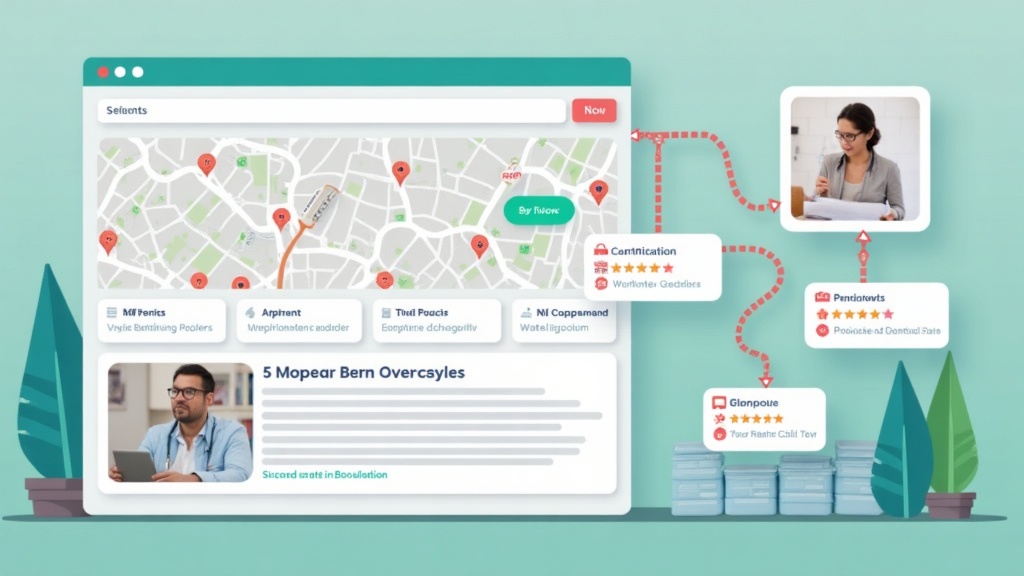
Do Dental Practices Need Insurance Pages to Convert Local Searchers?
Dental insurance pages help when they answer plan questions, set the right caveats, and move a local searcher toward a real appointment request.
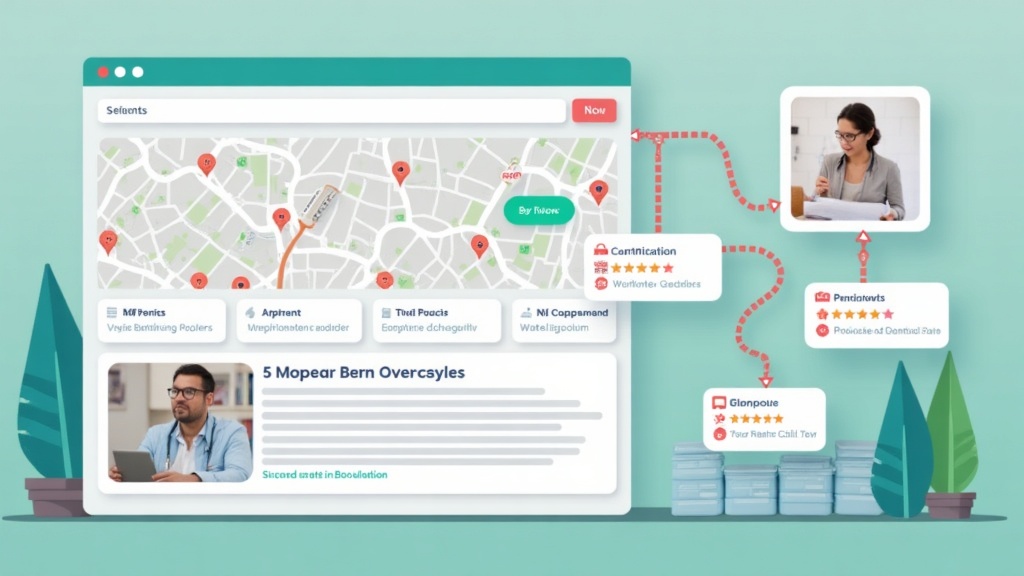
That is why dental insurance pages can matter. They sit close to appointment intent. A patient who is checking coverage is often deciding whether to call your office, call another practice, or delay care because the cost feels unclear.
The page should not overpromise. It should reduce uncertainty. Strong dental insurance pages explain what your team can help verify, where coverage can vary, which services the patient may need, and how to request an appointment with the right information in hand.
Here is what that means for your practice: insurance pages are not a shortcut for dental insurance SEO. They are part of the conversion architecture that turns local search visibility into new patient requests.
When do dental insurance pages help local searchers convert?
Dental insurance pages help when they answer a real decision question before the patient calls: “Does this practice take my plan, and what should I do next?” That is different from publishing a thin list of insurance logos and hoping it ranks.
A patient searching for a dentist who accepts Delta Dental, Aetna, Cigna, MetLife, Guardian, Medicaid, or a local employer plan is not casually reading. They are trying to reduce risk. They want to know whether the practice fits their coverage, whether the visit type matters, and whether someone will verify benefits before they arrive.
For dental insurance SEO, the useful page is not an insurance directory. It is a conversion page. It connects accepted-plan language, benefit caveats, service links, scheduling steps, and trust proof so the patient can move from uncertainty to an appointment request.
Across dental audits, insurance questions often appear right before appointment intent. The practices losing those patients usually do not have an SEO problem first. They have an insurance clarity problem on the page where the patient is trying to book.— Geeks for Growth Strategy Team
- Which plans do you commonly work with, and what should the patient verify?
- Does coverage vary by preventive, restorative, cosmetic, implant, or emergency care?
- How does the office help with benefit checks before the visit?
- Where should the patient go next if they want a cleaning, implant consult, crown, emergency visit, or cosmetic evaluation?
- What disclaimer keeps the page accurate without weakening the appointment path?
What do patients want to know before they call?
Patients rarely understand dental benefits the way practice teams do. They may know the carrier name, but not the network, employer plan, deductible, annual maximum, waiting period, exclusions, or procedure category. Your page should meet that reality without pretending to verify coverage on the website.
The goal is to give a clear next step: “Here is what we commonly help patients verify, here is what varies by plan, and here is how to ask our team before you book.” That is dental patient conversion work, not filler copy.
| Patient Question | What the Page Should Say | Conversion Purpose |
|---|---|---|
| Plan fit | Explain whether the office works with major plans, then tell patients coverage must be verified with the carrier or office team. | Reduces the first phone barrier without making an unsupported promise. |
| Service fit | Link insurance language to preventive, emergency, restorative, implant, and cosmetic pages where relevant. | Moves the patient from “do you take my plan?” to “can you help with my issue?” |
| Cost uncertainty | Explain that out-of-pocket cost depends on plan terms, procedure type, deductible, annual maximum, and remaining benefits. | Prevents price confusion and sets the office up for a better intake call. |
| Appointment path | Show the exact next step: call, request an appointment, upload insurance details, or bring card information to the visit. | Turns local search traffic into a trackable appointment request. |
Should you list every insurance carrier?
Only list plans your practice can keep accurate. A stale carrier list creates patient frustration and operational cleanup for the front desk. If the practice works with many plans, group the page around verification and the most common plan types rather than claiming a complete list that nobody maintains.
Should every insurance plan get its own page?
Not by default. A dedicated plan page may make sense if there is meaningful local search demand, unique patient questions, and enough original information to justify the page. If every plan page repeats the same paragraph with a carrier name swapped in, the architecture is thin. Build fewer, stronger pages first.
What should a strong dental insurance page include?
A good insurance page needs more than carrier names. It should work like a front-desk script turned into a search-friendly page: direct, cautious, useful, and easy to act on.
An answer-first opening
State clearly whether the practice helps patients understand insurance options, then explain that final benefits and eligibility must be verified with the plan or office team.
Accepted-plan language with caveats
Use plain language for common carriers or plan types, but avoid promising coverage, network status, or payment amounts that may change by employer group or procedure.
Service-specific next steps
Connect insurance questions to dental service pages. A cleaning patient, emergency patient, and implant patient do not need the same next step.
A practical verification checklist
Ask patients to have their insurance card, subscriber name, date of birth, employer group if applicable, and the procedure or concern they want to discuss.
Clear appointment CTAs
Place the appointment request after the insurance explanation, not only at the very top or very bottom. The patient needs clarity before the ask.
Dental plan language changes, network participation can vary, and advertising rules differ by state. The page should be reviewed by the practice team and updated when plan participation or office process changes.
How do you avoid thin SEO content?
The easiest mistake is building one page per plan, one page per city, and one page per service without adding new value. That creates a wide site with shallow answers. It may look active in a content calendar, but it usually does not build durable local search authority.
Google’s search guidance keeps pointing back to helpful, crawlable, people-first pages. For a dental practice, that means the page must help a patient decide what to do next. It is not enough to target “dentist local SEO” terms and repeat city names.
Thin Page
“We accept many insurance plans in [city]. Call today.” That page does not answer plan questions, service questions, or appointment questions.
Useful Page
A page that explains common plan questions, verification steps, service links, disclaimers, and what the scheduling team needs before booking.
Stronger Cluster
A main insurance page supported by FAQs, service pages, and appointment-path content that all point back to the same conversion architecture.
What should you do instead of duplicating location pages?
Build one strong insurance page for the practice, then support it with service-specific answers and location context where it is real. If the practice has multiple offices, explain office-specific insurance verification only when the process, providers, or patient logistics differ. Do not clone the same page with a different city name.
For broader question architecture, use our guide to dental FAQs for SEO. The same rule applies: answer the patient’s real question, then move them toward the right service or appointment path.
Where should insurance pages link inside the site?
Insurance pages should not sit alone. They should connect to the dental service pages where patient value and appointment intent live. That is how dental service pages and insurance content work together instead of competing.
| Link From Insurance Page To | Why It Helps | What to Say |
|---|---|---|
| New patient page | Patients who are unsure about coverage often need intake clarity first. | “New patients can bring insurance details and our team will help verify benefits before treatment.” |
| Preventive care | Cleaning and exam searches often include plan questions. | “Coverage for preventive visits varies by plan, but many patients start here.” |
| Emergency dentistry | Urgent searchers need fast routing and benefit caveats. | “If you have pain, swelling, or trauma, request help first; benefits can be reviewed during intake.” |
| High-value services | Implants, crowns, dentures, Invisalign, and cosmetic dentistry often trigger cost questions. | “Some plans may cover part of related procedures; the office can help you understand what to verify.” |
| Appointment request | The page has to turn clarity into action. | “Send your plan details and preferred appointment time.” |
You can also review how we structure dental marketing for practices that need more than traffic. Insurance content only matters when it supports the new patient path.
How does GFG build dental conversion paths around insurance questions?
We start by mapping the questions that sit between local search and appointment request. For dental practices, insurance is often one of those questions. So are service fit, provider trust, scheduling availability, financing, reviews, and what happens at the first visit.
Our Megaphone system gives the structure: 40% AI-supported research and architecture, 60% human strategy, editorial judgment, and conversion design. AI can help surface query patterns. The human layer decides what the practice can truthfully say, what the front desk can support, and where the page should send the patient next.
Map intent
We separate insurance searches, service searches, local searches, and appointment-ready searches.
Build the page
We structure the answer, caveats, service links, verification steps, and appointment path.
Connect the cluster
We link insurance content to dental FAQs, dental service pages, and new patient conversion pages.
Measure quality
We review appointment requests, call notes, patient questions, and page-level conversion signals.
If you want the deeper page model, review our guide to dental insurance pages that convert or the broader SEO services architecture behind local visibility.
- Google SEO Starter Guide — used for crawlability, site organization, and helpful-page direction.
- Google generative AI Search guidance — used for current AI Search and foundational SEO direction.
- ADA marketing and advertising guidance — used as dental advertising and verification direction, with state rules and practice review still required.
Frequently Asked Questions
Should every dental practice have an insurance page?
Most practices should have at least one clear insurance or payment-information page if patients ask about coverage before booking. The page should explain how the office helps verify benefits, which questions patients should bring, and where coverage may vary. It should not promise eligibility or payment amounts without verification.
Can dental insurance pages rank in local search?
They can rank when they answer real local search intent and connect to the rest of the site architecture. A thin page that lists carrier names is weak. A useful page that explains plan fit, service links, appointment steps, and verification language is stronger for both search and patient conversion.
Should dental insurance pages include disclaimers?
Yes. Coverage, network status, deductibles, annual maximums, waiting periods, and procedure categories can vary. The page should explain that benefits must be verified with the insurer or office team before treatment decisions are made.
How often should a dental insurance page be updated?
Update it whenever plan participation, office process, network language, or appointment workflow changes. At minimum, review it on a set internal cadence so the front desk is not correcting outdated website language on patient calls.
What is the biggest mistake dental practices make with insurance pages?
The biggest mistake is treating the page as a keyword asset instead of a patient decision page. The patient needs coverage clarity, service direction, trust proof, and a next step. A list of plans without context rarely does that work.
Most dental practices that come to us have traffic. What they are missing is a new patient conversion system.
We will look at the page architecture with you: insurance questions, service pages, trust proof, local search paths, and appointment friction. You will see what is helping patients book and what is costing the practice calls.
Prefer to talk first? Call +1-801-810-4988.
Related Posts
Home › Digital Advertising › Bottom-of-Funnel Startup Pages Startup Growth · Paid Media Readiness Should Startups Build Bottom-of-Funnel Pages Before…

Home › SEO Services › White Label SEO Quality Control White Label Marketing · SEO Delivery QA How Do Agencies…